Virtual Services
Main Content
Virtual Care
Virtual care has become an accepted additional way to deliver care to patients efficiently and effectively. Virtual care allows patients to receive care remotely from a convenient location of their choice.
We do our best to make sure that any information you give to us during virtual care visits is private and secure, but no electronic communications tools (such as audio, video, email, text) are ever completely secure. There is an increased security risk that your health information may be intercepted or disclosed to third parties when using such electronic communications tools. To help us keep your information safe and secure, you can:
• Understand that electronic communications (such as audio, video, email, text) you receive are not secure in the same way as a private appointment in an exam room.
• Use a private computer/device (i.e., not an employer’s or third party’s computer/device), secure accounts, and a secure internet connection. For example, using a personal and encrypted email account is more secure than an unencrypted email account, and your access to the Internet on your home network will generally be more secure than an open guest Wi-Fi connection.
You should also understand that virtual care is not a substitute for in-person communication or clinical examinations, where appropriate, or for going to an Emergency Department when needed (including for any urgent care that may be required).
If you are concerned about using electronic communications for virtual care, you can ask our office to attempt to arrange a potential alternative. However, please note that visiting a health care provider in person comes with a higher risk of coming into contact with COVID-19 and the possibility of spreading the virus.
By providing your information, you agree to let us collect, use, or disclose your personal health information through video, audio, email, or text communications (while following applicable privacy laws) to provide you with care. In particular, the following means of electronic communication may be used [(identify all that apply): audio, video (including Skype, Facetime, etc.), email, text, etc.].
Which patient can benefit from virtual care:
VIRTUAL CARE IS JUST CARE , we use virtual care tools to avoid unnecessary trips to the office, manage chronic disease, or manage illness that may not require a physical exam.
What types of appointments can be seen virtually?
Some common examples include:
-
Follow-up on lab or imaging results
-
Screening and triaging of new patients or old patients who are worried or concerned about certain issues.
-
Chronic conditions follow up visits.
-
Medication renewals.
-
Health education.
-
Counselling and family meetings
OUTCOME OF VIRTUAL CARE VISIT:
• Direct patients quickly to
• Self care
• In-office visit
• Screening/testing facilities
• Acute care facility (ER) when required
Types of virtual Care:
-
Direct-to-patient phone visits via regular phones.
-
Direct-to-patient video visits via OTNinvite: OTN Direct-to-Patient Video Visits (eVisits) (through OTNinvite) . We Connect securely with the patients via video, to a local health care centre near the patient, or direct to the patient’s device.
-
Messaging & emails (Medeo, Ocean): Medeo An integrated digital health patient engagement tool available as a mobile app or web-based tool. Medeo enables patients to use their mobile devices to securely message their provider, attend virtual calls, and book appointments with their providers. Medeo | Telemedicine software | Patient Messaging | Online Booking (medeohealth.com)
-
eConsult Patients & Families - eConsult (econsultontario.ca). Virtual Specialist Consults | eConsult - OTN.ca
Other Virtual Communications:
-
Book appointments online.
-
Appointements reminder.
Disclaimer / Info:
“Virtual Care has some inherent privacy and security risks that your health information may be intercepted or unintentionally disclosed. We want to make sure you understand this before we proceed. In order to improve privacy and confidentiality, you should also take steps to participate in Virtual Care in a private setting, use an encrypted email service if available, and you should not use an employer’s or someone else’s computer/device as they may be able to access your information.
If you want more information, please check the [website/confirmation email/etc.]. If it is determined you require a physical exam you may still need to be assessed in person. You should also understand that virtual care is not a substitute for attending the Emergency Department if urgent care is needed. If you continue, you consent to the use of electronic communication to provide you with care, are you ok to continue?”

Clinical Visit
Lorem ipsum dolor sit amet, consectetur adipisicing elit, sed do eiusmod tempor incididunt ut labore et dolore magna aliqua. Ut enim ad minim veniam, quis nostrud.
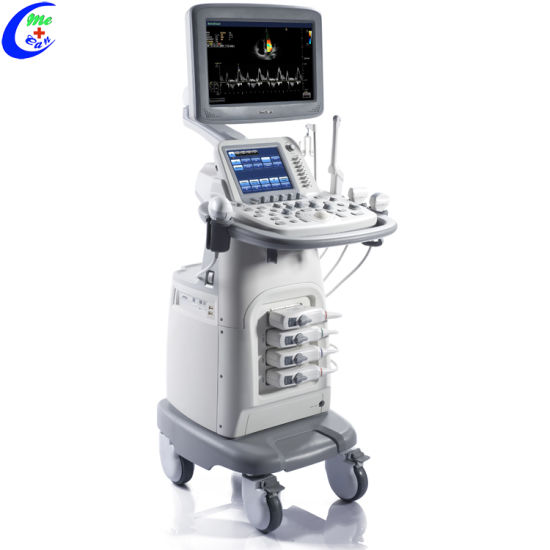
Echocardiogram
Lorem ipsum dolor sit amet, consectetur adipisicing elit, sed do eiusmod tempor incididunt ut labore et dolore magna aliqua. Ut enim ad minim veniam, quis nostrud.

Exercise Stress Test
Do not eat, smoke or drink alcohol or caffeinated beverages for at least 4 hours before the test. More Instructions.
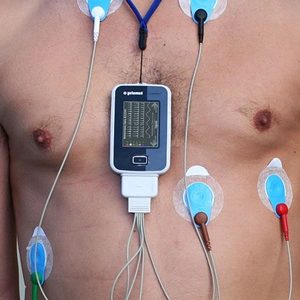
Holter Monitor
The recording monitor will be started by technician, and you will be given instructions on how to replace electrodes should they become loosened. More Instructions

Myocardial Perfusion Scan
Lorem ipsum dolor sit amet, consectetur adipisicing elit, sed do eiusmod tempor incididunt ut labore et dolore magna aliqua. Ut enim ad minim veniam, quis nostrud.

Ambulatory BP Monitor
Lorem ipsum dolor sit amet, consectetur adipisicing elit, sed do eiusmod tempor incididunt ut labore et dolore magna aliqua. Ut enim ad minim veniam, quis nostrud.
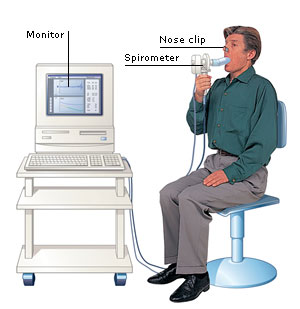
Spirometry
Do not eat, smoke or drink alcohol or caffeinated beverages for at least 4 hours before the test. More Instructions.
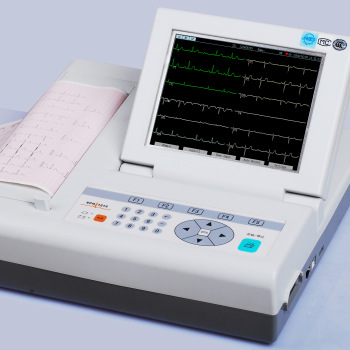
ECG
The recording monitor will be started by technician, and you will be given instructions on how to replace electrodes should they become loosened. More Instructions
PATIENT INFORMATION